
NASA’s Psyche spacecraft has been firing its thrusters about 90% of the time since late September, with a push roughly equal to the weight of one AA battery. It is slow, it is deliberate, and it is exactly the plan. Here are six fresh reads from spaceinfo.club and our four latest videos.
If you like this weekly recap, forward this newsletter to your friends, they will appreciate!
But… if you received this message from someone…
Are you going to buy your first Smart Telescope? Here’s our affiliate link to DwarfLab - don’t forget to use the code ‘spaceinfo.club’ at checkout for further DISCOUNT!
Let’s Start!
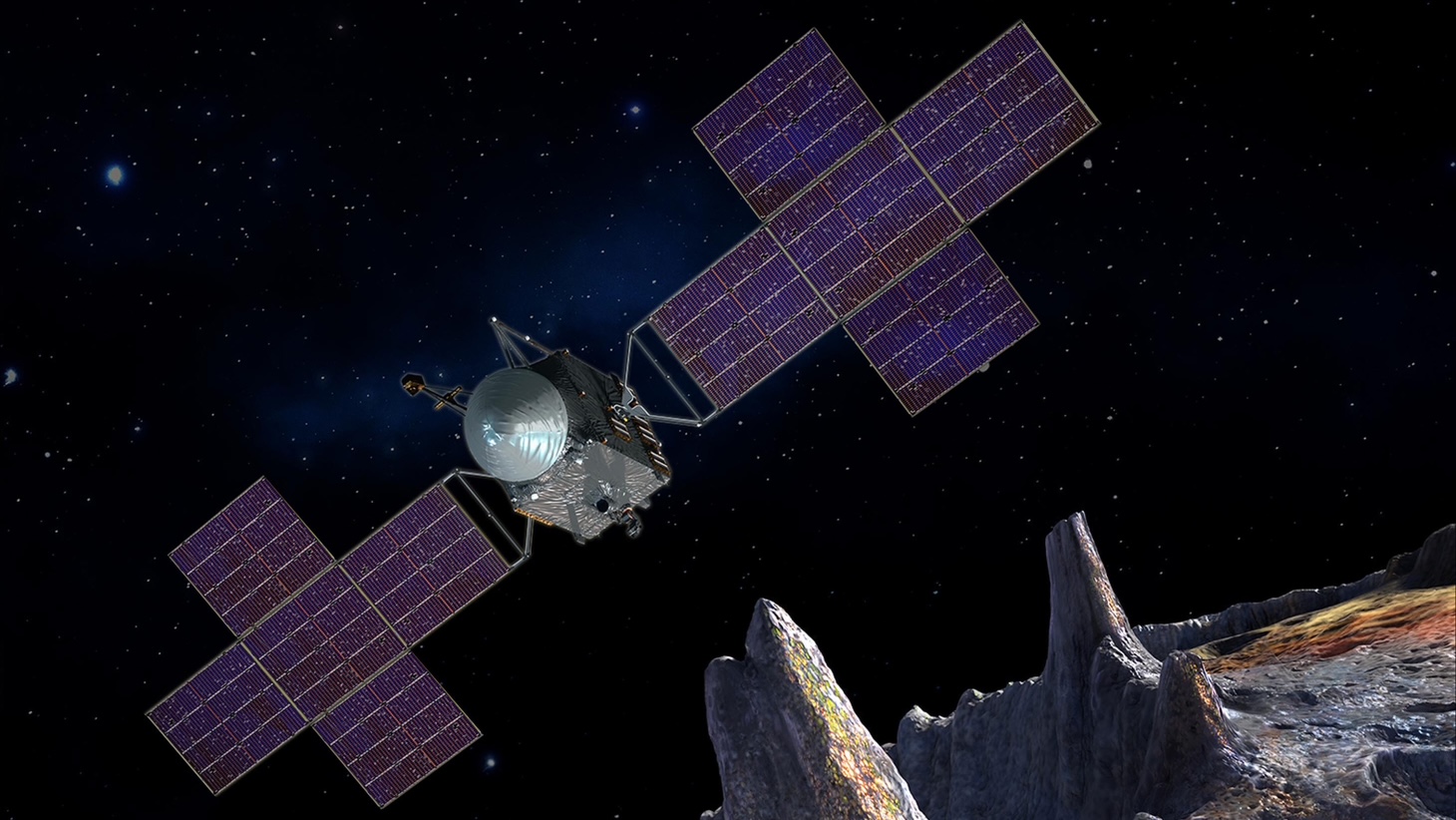
Why Is NASA’s Psyche Thrusting Almost Nonstop With the Force of an AA Battery?
Since September 28, Psyche’s electric thrusters have fired about 90% of the time, pausing roughly once a week to talk to Earth. At full power the push is about 250 millinewtons, roughly the weight of one AA battery. About a third of the xenon loaded at launch is already used, and the spacecraft is on course for its metal-rich asteroid in summer 2029. See how patient propulsion works.
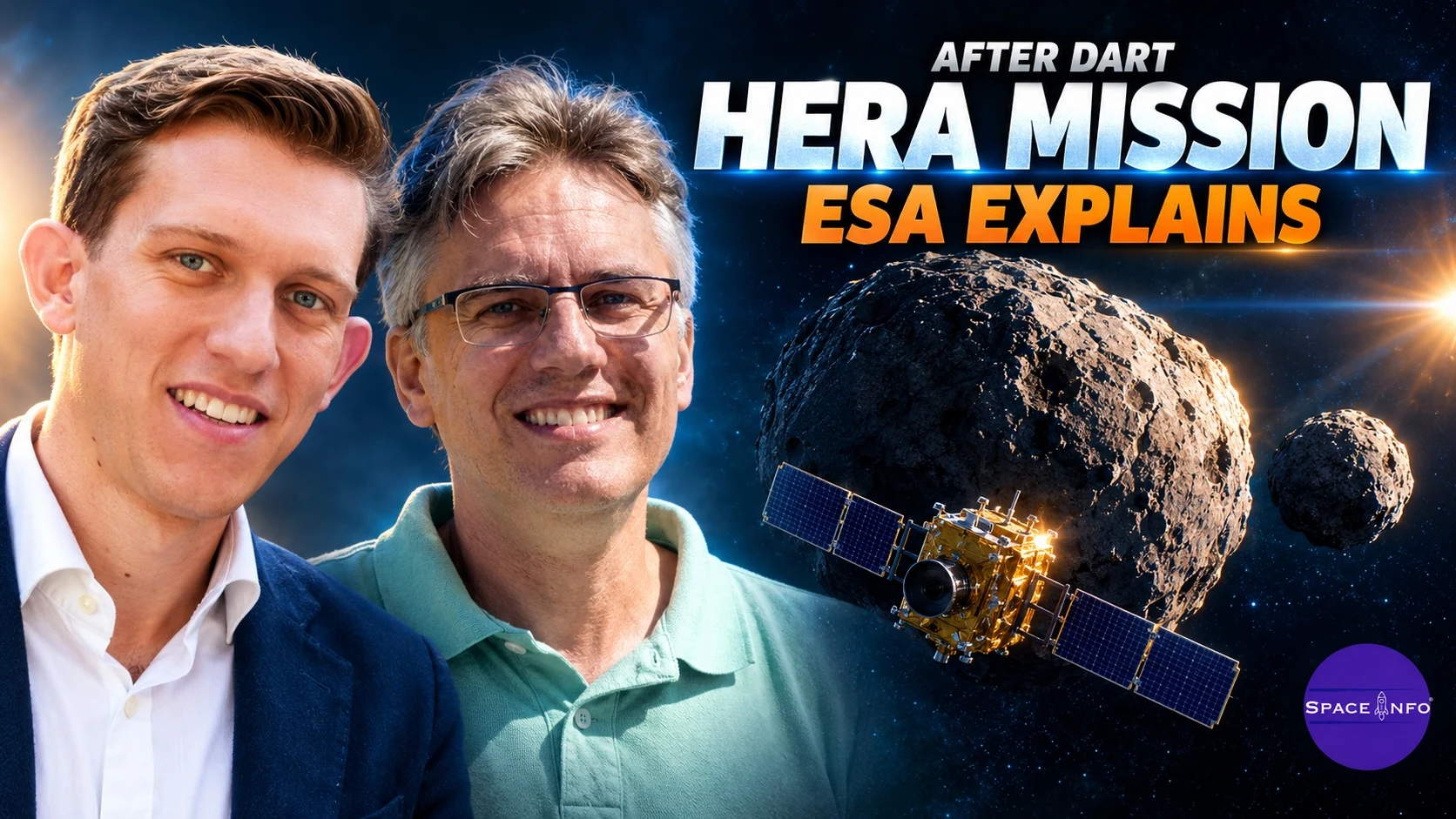
Hera Interview: ESA Project Scientist Michael Küppers on Didymos and the Legacy of DART
Hera is in the final weeks of its approach to the Didymos system, with rendezvous planned for November, about a month earlier than first scheduled. DART shortened the orbit of Dimorphos by 32 minutes, far beyond the 73-second success benchmark, but to understand that result Hera must weigh the moon, look inside it and measure the crater. Michael Küppers explains what comes next.
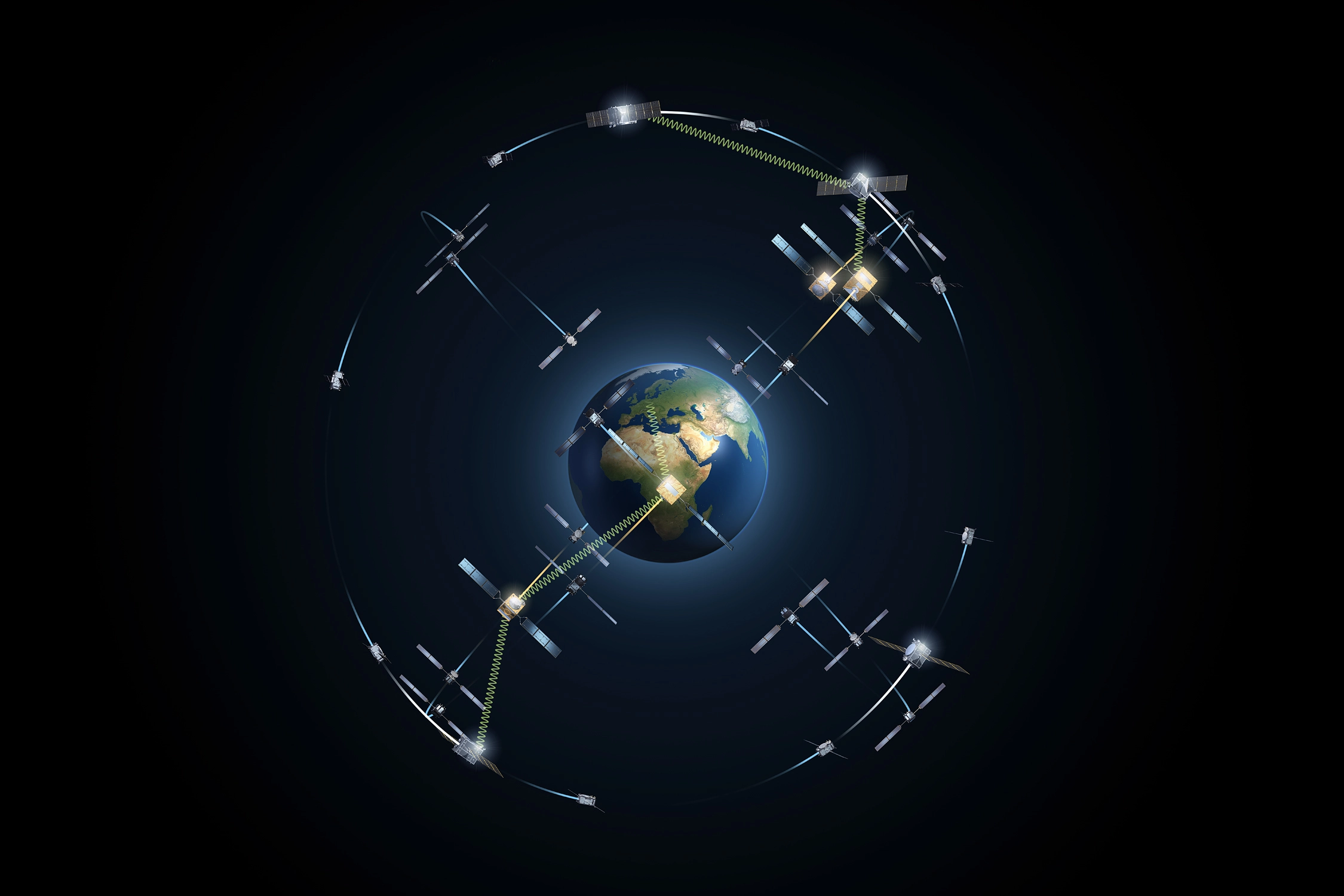
Europe Orders Four More Galileo Second Generation Satellites
On 23 and 26 October, ESA signed contract extensions for four more Galileo Second Generation satellites, taking the fleet to 16. Thales Alenia Space and Airbus Defence and Space each add two to the six they are already building. Delivery is planned for 2031, with the first launch in 2028. Find out what it means for Europe’s autonomy in navigation.
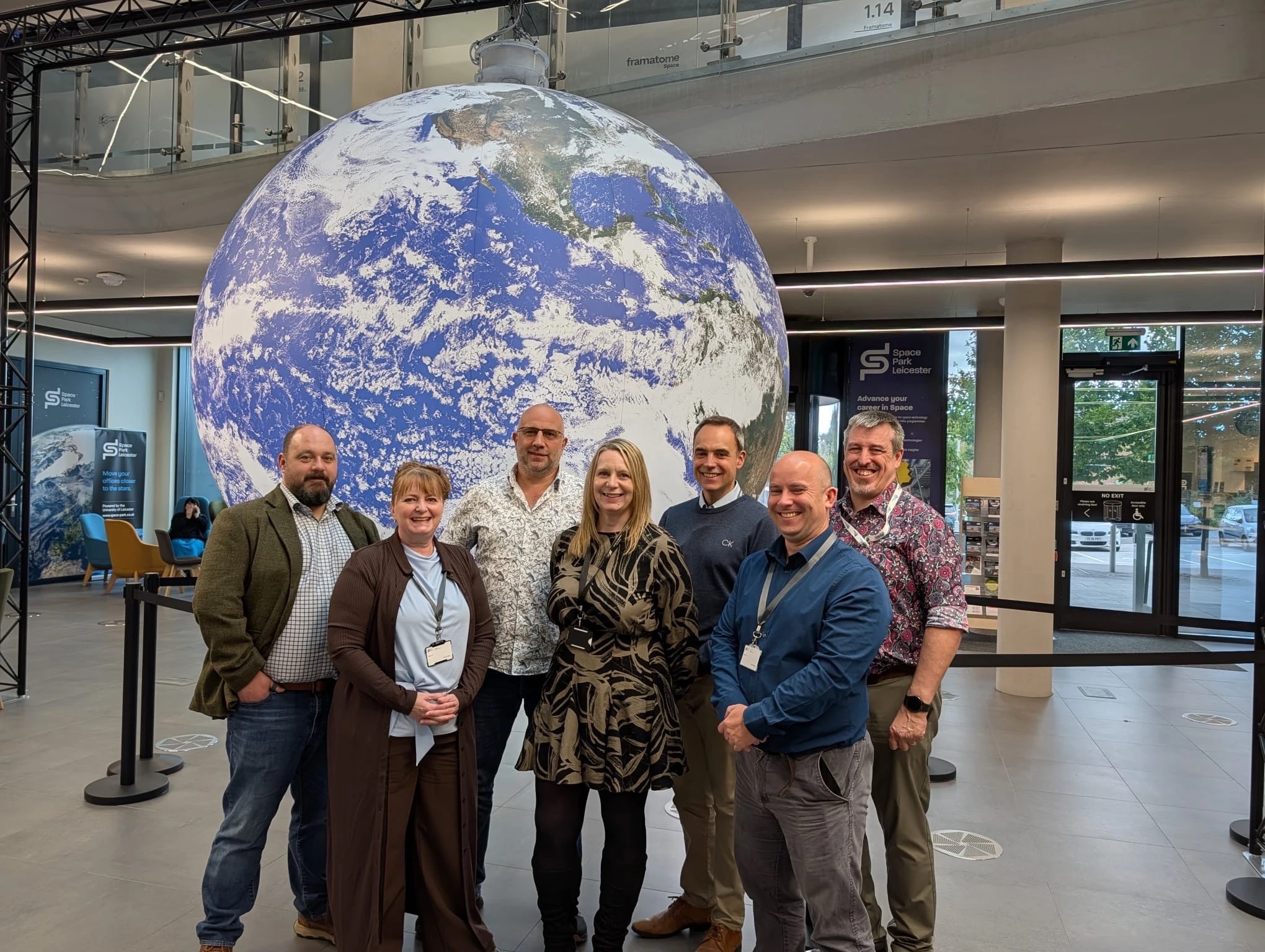
A Piece of Moon Rock Helps Bring IDE Systems to Space Park Leicester
IDE Systems, a systems engineering and safety assurance firm, is the latest organisation to base itself at Space Park Leicester, the University of Leicester’s £100 million space hub. During a visit its managing director held a piece of lunar material, which its COO says made the rest of the conversation easier. Meet the company and what it plans to build there.
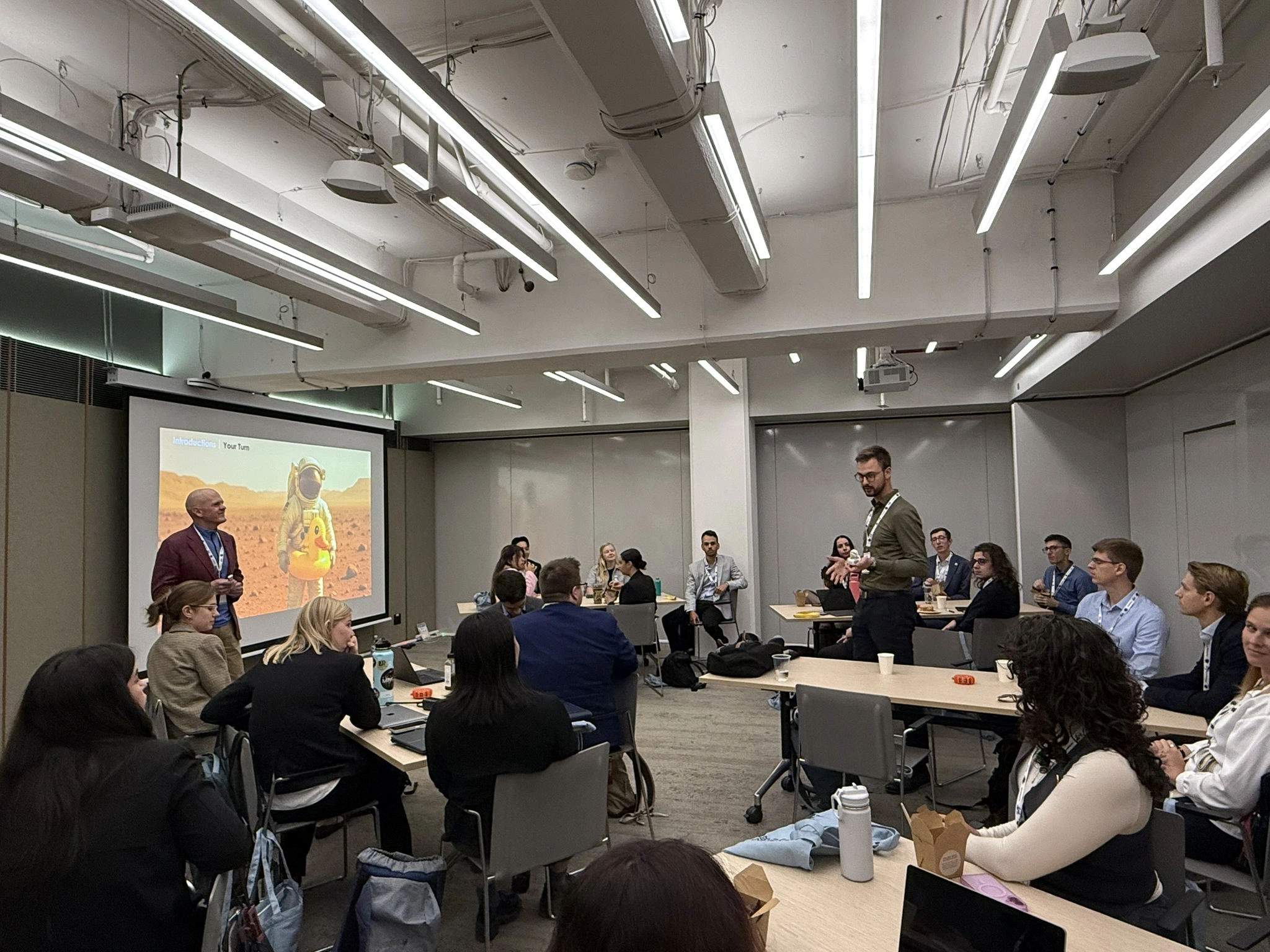
Working in Space Without Being an Engineer: Who the Industry Needs Now
Space companies also hire for marketing, project management, sales, legal, procurement and finance. Cheaper launches, smaller satellites and commercial investment have opened the door wider. The article also looks at the NASA 4-D Executive Space Programme at Space Park Leicester, 9 to 13 November, and is clear about what five days can and cannot replace.
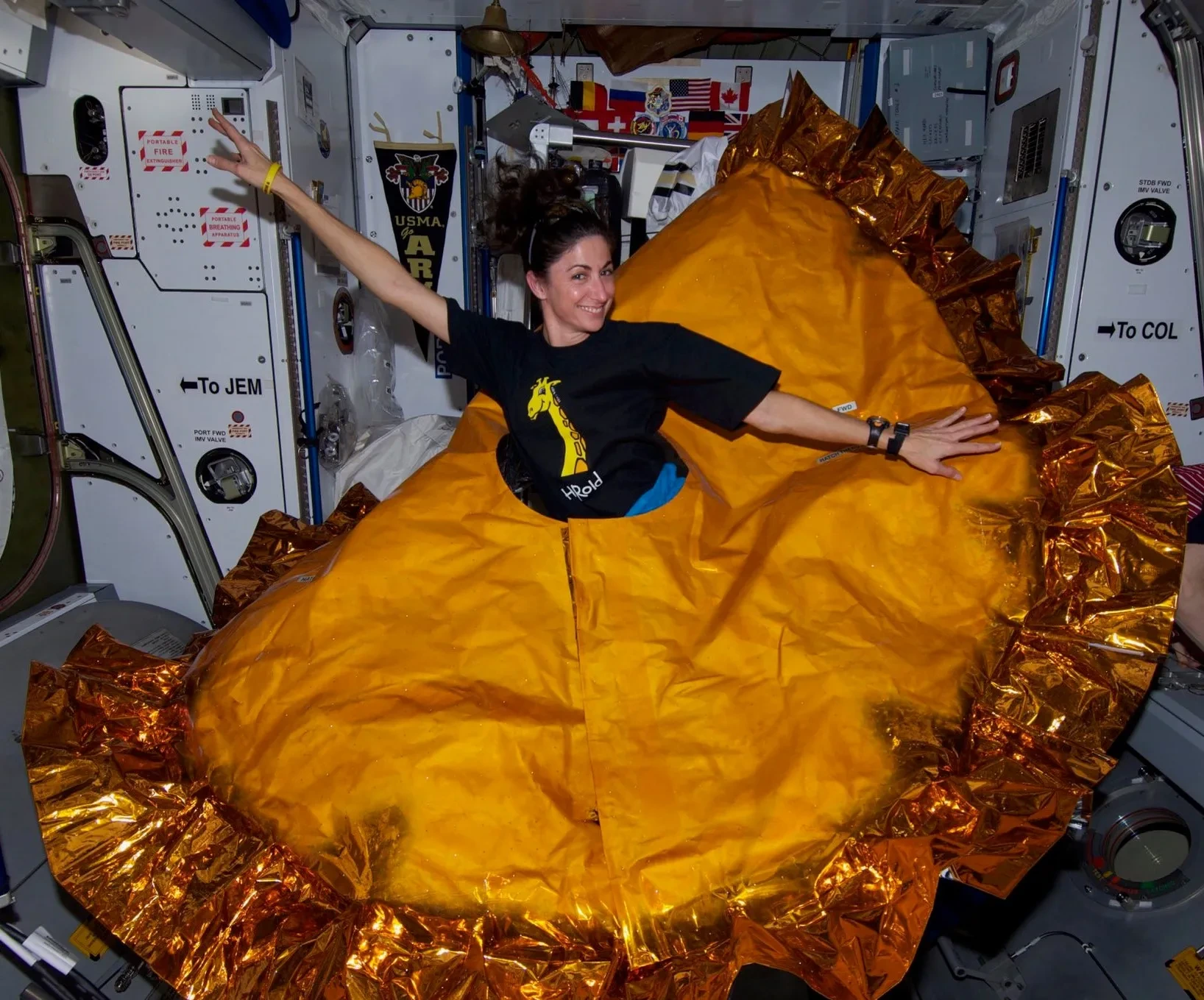
Halloween on the International Space Station: How Astronauts Celebrate in Orbit
In 2009, Nicole Stott carved a jack-o’-lantern from an orange delivered by a Progress cargo ship. Over the years crews have worn costumes from Superman to Spider-Man, and these modest celebrations help crews stay connected on long missions. A perfect read before Saturday night.
Four videos worth your time
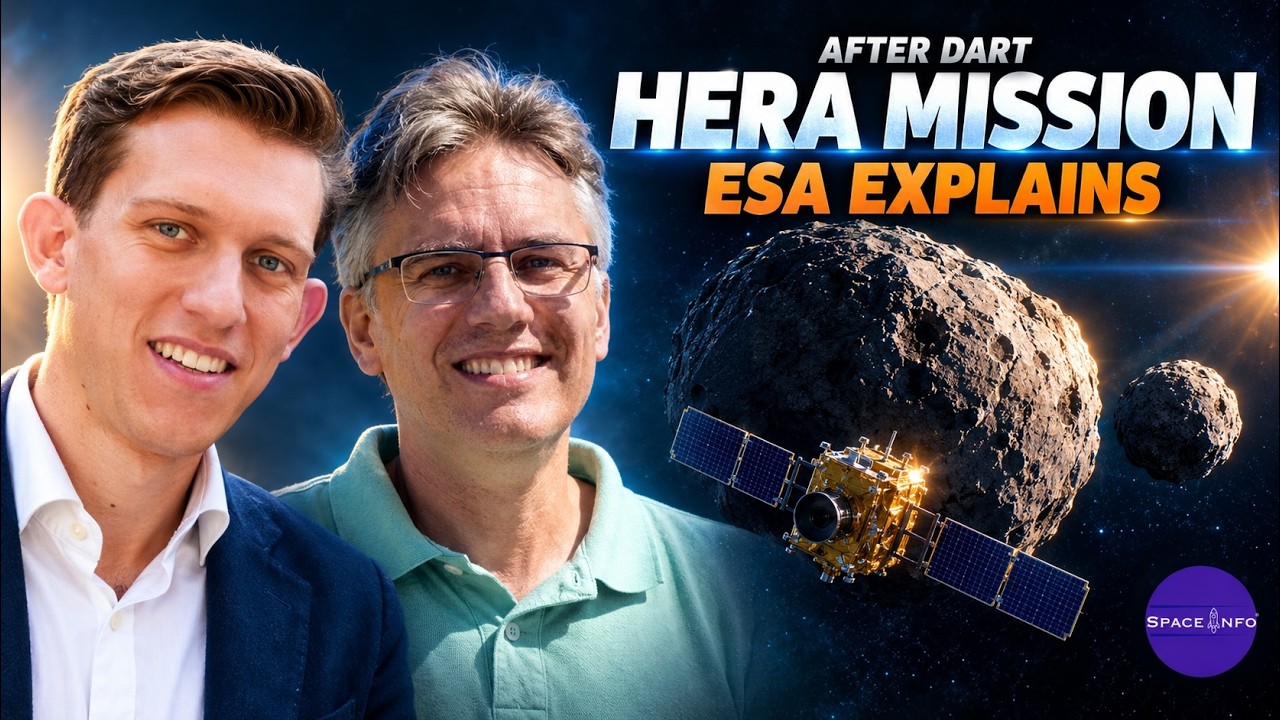
ESA’s Hera Project Scientist Explains What Comes After DART
A 23-minute conversation with ESA Project Scientist Michael Küppers on Didymos, what DART left behind and what Hera has to measure.

ESA’s Hera Mission Explained: Why We Need It After NASA’s DART
Start here: a 12-minute explainer on why DART’s success is not the end of the story, and what Hera is sent to find out.

Half Its Detectors Died, Yet This Quantum Chip Still Worked in Orbit
A quantum chip lost half of its detectors in orbit and still worked. A 10-minute explainer on what happened.

Europe Has No Space Station. ESA Just Made a Deal With Vast.
What does Europe’s plan for life after the ISS look like, and why did ESA turn to Vast? A 15-minute breakdown.
🌍 Your journey to the stars: become a Space Pro
The space sector isn’t just for engineers — it’s for everyone who’s curious, creative, and ready to make an impact. At Spaceinfo Club, you’ll find courses, resources, and stories that help you turn your interest into opportunity.
Join us at www.spaceinfo.club — explore, learn, and launch your future in space.
Don’t forget to follow the SpaceInfo Club on our social channels, we’re more than 150,000 people and we want to reach 200,000 🚀🚀
Here’s how you can help:
Share this newsletter with your friends,
Visit our website at www.spaceinfo.club
Share our social channels, Instagram and YouTube 🚨
